October 2, 2026
Modern daily routines often require extended periods of sitting at computer desks, staring down at mobile devices, driving through long commutes, and performing repetitive physical tasks. These sedentary habits and mechanical pressures frequently place unnatural stress on the human musculoskeletal frame, causing subtle shifts in structural alignment over time. When vertical alignment deviates from its natural center, surrounding muscles, tendons, and ligaments must work twice as hard to keep the body upright and balanced. This constant muscular overcompensation frequently leads to chronic neck stiffness, persistent back discomfort, tension headaches, and generalized fatigue throughout the day. Seeking guidance from a qualified chiropractor offers a proactive, hands-on approach toward restoring natural alignment and relieving mechanical stress across the musculoskeletal system. Non-invasive care focuses on identifying the root causes of physical strain rather than merely masking uncomfortable physical symptoms. By addressing structural deviations early, individuals can cultivate healthy daily habits, improve physical resilience, and maintain optimal physical performance. Understanding how non-invasive alignment methods support overall body mechanics empowers individuals to take meaningful steps toward long-term physical well-being. Regular physical evaluations help ensure that everyday physical stress does not diminish your daily energy, posture, or physical comfort.
1. Realigning Structural Elements for Enhanced Balance
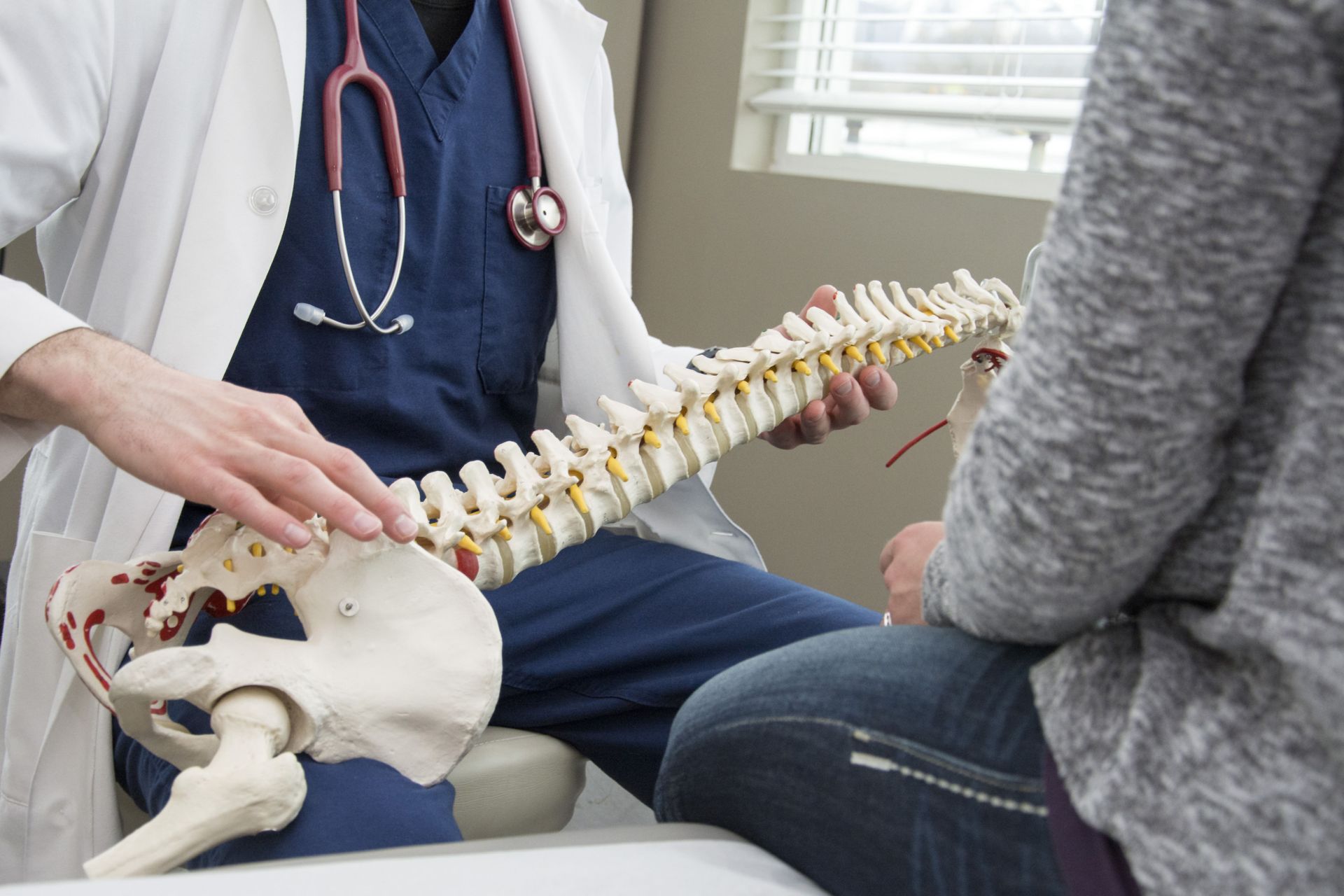
The human spine serves as the central pillar of physical support, housing delicate neural pathways and supporting the weight of the head, torso, and upper limbs. When individual vertebrae become misaligned due to poor sitting habits, sudden physical impacts, or repetitive physical exertion, the entire body struggles to maintain balance. Subtle structural shifts alter weight distribution across pelvic joints and lower extremities, creating localized pressure points that cause chronic discomfort. Visiting a professional chiropractor helps restore proper spatial positioning among adjacent skeletal joints through targeted, gentle manual adjustments. Precise physical corrections relieve pressure on sensitive spinal nerves, allowing neural signals to travel clearly throughout the muscular frame. Realigning the central skeletal column reduces abnormal friction within joint capsules, supporting joint longevity and preventing premature cartilage degradation. Furthermore, proper structural alignment distributes gravitational force evenly across the pelvis and shoulders, allowing individuals to stand taller, sit more comfortably, and move with greater ease. Consistent realignment sessions help recalibrate spatial awareness, training the body to maintain proper alignment during routine daily activities. Long-term alignment maintenance supports balanced skeletal mechanics, preserving posture across changing daily environments.
2. Relieving Joint Tension and Muscular Tightness
Persistent postural misalignment places continuous, unequal traction on surrounding soft tissues, forcing certain muscle groups into a state of chronic contraction while weakening opposing muscles. Over extended periods, tight muscular bands develop painful trigger points, restricting localized blood flow and causing lactic acid to accumulate within tissue fibers. According to Mordor Intelligence, North America represented about 42% of the global chiropractic care market in 2025. This significant regional market presence highlights growing public awareness regarding non-invasive physical care solutions. Working alongside a skilled chiropractor helps release deep-seated muscular tension and normalize soft tissue tone across the upper back, neck, and lumbar regions. Precise manual techniques improve localized blood circulation, delivering fresh oxygen and essential nutrients to fatigued muscle groups while flushing out metabolic waste. Relaxing tight muscular structures eliminates persistent stiffness, reducing tension headaches and restoring physical comfort during work and leisure routines. As soft tissue tension decreases, surrounding joints experience reduced mechanical pulling, allowing structural realignments to hold longer and perform more effectively. Combining joint adjustments with soft tissue relaxation fosters a balanced physical environment where muscles and bones work harmoniously.
3. Enhancing Ergonomic Awareness and Daily Habits
Achieving lasting physical wellness requires more than temporary adjustments; it demands ongoing attention to daily movement patterns, workspace ergonomics, and sleeping postures. Slouching over computer keyboards, cradling phones between shoulders and ears, and leaning heavily on a hip while standing gradually shape physical habits that compromise structural integrity. An experienced chiropractor provides tailored guidance regarding proper ergonomic setups, recommending optimal monitor heights, supportive seating arrangements, and healthy lifting techniques. Educating individuals on proper body mechanics helps prevent repetitive strain injuries from developing during routine work tasks. Additionally, personalized stretching regimens target tight chest, shoulder, and hip muscles, countering the physical effects of prolonged sitting throughout the workday. Incorporating core-strengthening exercises stabilizes the abdominal and lumbar walls, creating a natural internal girdle that supports vertical alignment during movement. Cultivating active posture awareness empowers individuals to recognize and correct poor alignment habits before discomfort develops. Developing mindful daily movement habits ensures that structural improvements achieved through care are preserved during everyday work and recreational activities.
4. Restoring Full Range of Movement in Joints
When joints remain locked or restricted due to chronic inflammation, past injuries, or poor movement habits, surrounding tissues become stiff and immobile. Restricted joint mobility forces adjacent body segments to overcompensate, creating altered movement patterns that strain secondary joints and muscle groups. Consulting a dedicated chiropractor helps restore full fluid mobility to restricted vertebral segments and peripheral joints. Targeted manual mobilization techniques break up fibrous adhesions within joint capsules, restoring normal gliding motions between adjacent articulation surfaces. Expanding joint mobility increases the production of natural synovial fluid, which lubricates joint cartilage and buffers internal impacts during physical activities. Enhanced flexibility enables individuals to bend, twist, reach, and walk without encountering sharp physical restrictions or deep joint aching. Improved movement mechanics also lower the risk of acute muscle strains and ligament sprains during athletic pursuits or heavy household chores. Restoring natural movement capacity allows individuals to participate fully in physical exercise, promoting cardiovascular health, muscular strength, and total physical vitality across all stages of life. Unrestricted mobility keeps body systems moving cleanly and efficiently.
5. Preventing Long-Term Structural Wear and Strain
Uncorrected structural misalignment acts like improper wheel alignment on a vehicle, causing uneven wear and tear across structural components over extended periods. Persistent physical stress accelerates joint cartilage thinning, triggers bone spur formation, and contributes to premature disc degeneration along the central column. Partnering with a knowledgeable chiropractor helps mitigate cumulative mechanical wear by maintaining optimal joint relationships throughout aging processes. Regular evaluations allow for early detection of subtle physical imbalances, stopping minor structural deviations before they cause permanent tissue damage. Preserving healthy disc height and joint space buffers the nervous system against chronic compression, maintaining clear neural communication with internal organs and extremities. Proactive structural care minimizes the likelihood of developing severe physical limitations, helping individuals maintain independence and mobility throughout their later years. Safeguarding structural longevity through consistent, non-invasive maintenance ensures that the body remains resilient, adaptable, and capable of enduring daily physical demands. Taking preventive action today safeguards physical vitality and enhances overall quality of life for years to come.
Maintaining proper alignment and optimal spinal health represents a cornerstone of lifelong physical vitality, functional mobility, and daily comfort. Addressing structural imbalances, relieving soft tissue tension, refining ergonomic habits, restoring joint mobility, and preventing long-term physical wear collectively preserve the body's natural resilience. Working with an attentive chiropractor enables individuals to overcome daily mechanical stress, reduce physical discomfort, and enjoy an active, healthy lifestyle across every season of life. Prioritizing proactive structural health protects long-term body mechanics and enhances daily physical endurance. If you are ready for better alignment and long-term spinal wellness, contact us at Oklahoma Chiropractic Collective today. We will help you achieve optimal physical balance and lasting vitality through customized care.